本文经授权转载自微信公众号:田间小站
今天小站来和各位聊聊 weigh 这个熟词。
说起该词来,脑海里对应的往往就是“称重”以及“有……重”这么一个概念,前者指用工具确定物体的重量,而后者指自身具有特定的重量。比如:
- 分量重
weigh heavy/heavily - 用秤称下你的体重。
Weigh yourself on the scales.
就是如此熟悉的一个 weigh ,当它出现在本周《经济学人》(2025年12月13日刊)标题为“The Hermès heist: how an heir to the luxury dynasty was swindled out of $15bn of shares”一文中的下面这句话时,你还认识吗?
At the meeting, Puech barely spoke, weighing in only on the precise shade of green for the foundation’s new logo.
要说 weigh 这个单词有什么引申义的话,倒也不难理解,无非就是从“掂量重量”拓展到“斟酌、权衡、认真考虑”,常用搭配 weigh sth (up) 或 weight (up) sth (against sth) 表示评估某个事物的性质或重要性,尤其是为了做出决定或采取行动(assess the nature or importance of, especially with a view to a decision or action),比如:
- 权衡利弊
weigh up the pros and cons - 推敲/斟酌字句
weigh one's words - 悬权而动。
Weigh the situation, then move.
——《孙子兵法》
以及从“有重量”拓展到“有分量、有影响”,常用搭配 weigh (with sb) (against sb/sth) 表示对某人的意见或某事的结果产生强烈影响或重要作用(have a strong influence or important effect on sb's opinion or the result of sth),比如:
- 她过去的记录对她很不利。
Her past record weighs heavily against her.
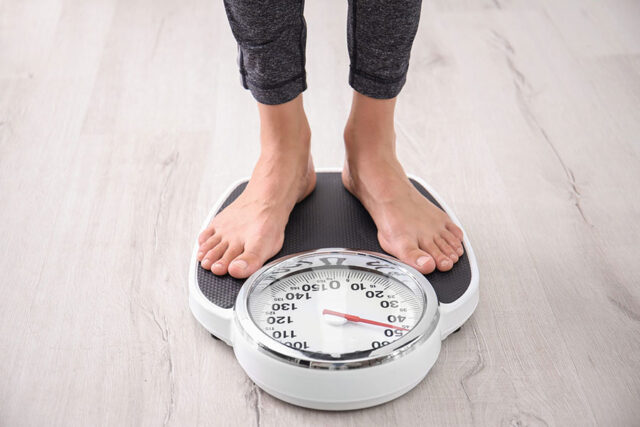
不过这两者代入上述《经济学人》句中都不太说得通,因为 weigh 后面明显接了一个介词 in 。而要说 weigh 与 in 的搭配用法,喜欢看拳击、摔跤、举重等体育赛事的小伙伴大多知道,它们赛前有个环节就叫 weigh-in ,指的是比赛举行前的“体重测量”,以确保运动员在规定级别内参赛。
与之对应的短语动词 weigh in (at sth) 则是用来表示拳击手、赛马骑师等赛前正式“测体重”。比如:
- 他周日晚上称重时体重为17英石10磅。
He weighed in on Sunday night at 17 stone 10 pounds.(注: stone 表示“英石”这一英制单位时单复数同形)
从这个概念出发,等到了1909年后,便开始引申出搭配 weigh in (with sth) 表示在讨论、辩论等中“发挥作用、提供有力论点、发表有分量的意见”,也就是如称重后上场那般对竞争或争论做出有力贡献(make a forceful contribution to a competition or argument)。
那么回到上面《经济学人》的句子,其句意也就是说:会上,普伊奇几乎没怎么说话,只对基金会新标志应采用何种确切的绿色调发表了有分量的意见。