本文经授权转载自微信公众号:田间小站
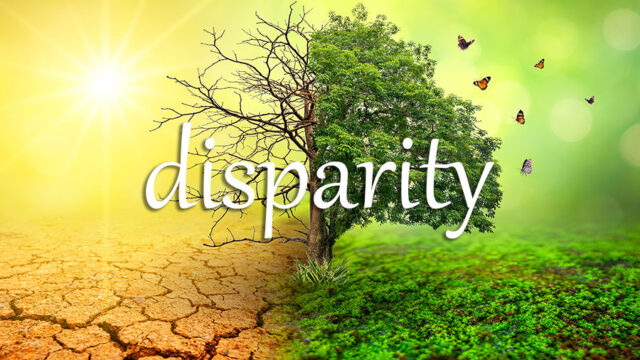
专八 SAT GMAT GRE
Disparity 是本周《经济学人》(2025年11月15日刊)标题为“How the exasperating, indispensable BBC must change”一文中出现的一个单词:
Since everyone has to pay for the BBC, that disparity is a problem.
从拼写上来看,不难发现 disparity 就是在小站(微信公众号:田间小站)去年推送过的 parity 前面多了一个前缀 dis- 。
从词源上来看, disparity 与 parity 同源,两者都源自于拉丁语 paritas (平等)。其中,前缀 dis- (不、无、相反)+ paritas 就构成了中古拉丁语 disparitatem (不平等),经法语 disparité (不相称、不调和、差异)于16世纪中期进入英语后便形成了 disparity 一词。
该词现在常作正式用语使用,侧重指因不公正对待而在数量、质量、地位、机会等方面引起显著且通常意义重大的“不同、不等、差异、悬殊”(a noticeable and usually significant difference or dissimilarity),因而通常作为社会公平议题的核心符号出现。比如:
- 纠正日益扩大的贫富悬殊
rectify the growing disparity between rich and poor - 缩小城市与偏远地区数字基础设施的差距
bridge the disparity in digital infrastructure between cities and remote areas
那么回到上面《经济学人》的句子,其句意也就是说:既然人人都得为BBC缴纳收视费,这种差异就成了一个问题。