
熟词僻义 | blanket 有多全面?
问题是句中的 blanket 该如何理解呢?莫非还有一个专门的“毛毯禁令”术语来表示什么特殊的含义吗?
问题是句中的 blanket 该如何理解呢?莫非还有一个专门的“毛毯禁令”术语来表示什么特殊的含义吗?

quibble
英 [ˈkwɪbl] 美 [ˈkwɪbl]
(为小事)争论、发牢骚,斤斤计较,吹毛求疵;(无足轻重的)抱怨、牢骚、小意见

Dearth vs Earth vs Death vs Dear

Take me to you, imprison me, for I, except you enthrall me, never shall be free, nor ever chaste, except you ravish me.
带我去你那里,将我囚入禁地,我永无自由,除非你将我奴役,我无以圣洁,除非你令我神迷。

relative与relation这两个名词均有“亲戚、亲属”之意。
travail
英 [ˈtræveɪl] 美 [ˈtræveɪl]
【过时或文学用语】艰苦劳动、煎熬、艰辛、痛苦

Bar 这个单词概念广泛,其应用在生活中也随处可见,拿其最基本的含义“长方形的条、块”来说,就有给老板汇报数据时用的柱状图(bar graph/chart),下午茶吃的巧克力棒(chocolate bar)以及巧克力棒外包装上的条形码(bar code)。
behemoth
英 [bɪˈhiːməθ] 美 [bɪˈhiːməθ]
巨头(指规模庞大、实力雄厚的公司或机构)
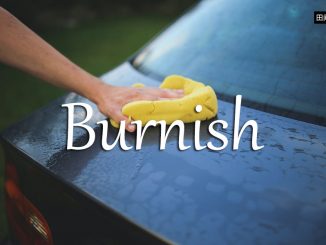
Burnish vs Burn
regret与repent这两个动词均有“后悔”之意。

Long-term consistency trumps short-term intensity.
beneficent
英 [bɪˈnefɪsnt] 美 [bɪˈnefɪsnt]
【正式用语】有裨益的、行善的、慈善的
Copyright © 2025 | Sitemap | 鄂ICP备2020020141号-1
