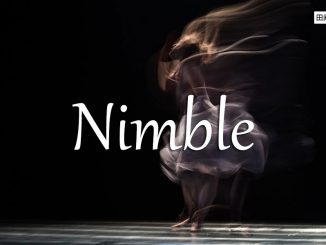
小词详解 | nimble
那个脚步轻盈灵活的迎宾员绊了一下,摔了个四脚朝天。
The usher who was light and nimble on her feet tripped and went sprawling.
那个脚步轻盈灵活的迎宾员绊了一下,摔了个四脚朝天。
The usher who was light and nimble on her feet tripped and went sprawling.
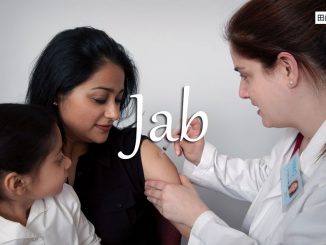
Jab vs Job

propel、push、shove与thrust这些动词均有“推、推动”之意。
proof、evidence、witness与testimony这些名词均有“证据、见证”之意。

卫生巾
sanitary pad/towel/napkin or menstrual pad

I'm juggling two guys. I'm sowing my wild oats.
我脚踏两只船,到处沾花惹草。
profession、job、occupation、trade、vocation、career、work与employment这些名词均含“职业”之意。

Miss Abbot turned to divest a stout leg of the necessary ligature.
艾博特小姐转而从她粗壮的腿上,解下那条必不可少的带子。
problem、question、issue与matter这些名词均含“问题”之意。
prisoner、captive与convict这些名词均含“囚犯、俘虏”之意。

那个身材高大的女人戴上头盔,跨坐在摩托车上,然后全速驾车行驶。
The hefty woman pulled on her helmet and straddled the motorbike, then drove along at full throttle.

Snug vs Snag
Copyright © 2025 | Sitemap | 鄂ICP备2020020141号-1
